What Your General Dentist Wants You to Know About Oral Care


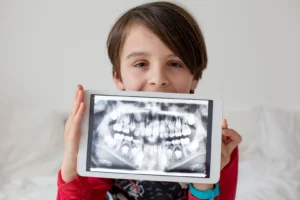
Most people think about oral care in narrow terms: brush, floss, avoid sugar, show up for a cleaning twice a year. None of that is wrong, but it is incomplete. If you ask any experienced general dentist what truly protects teeth and gums over the long haul, the answer is usually less glamorous and more practical. Oral health is shaped by small daily habits, timing, consistency, saliva, diet, medications, stress, sleep, and the tendency many people have to ignore quiet warning signs until they become expensive problems.
What often General Dentist surprises patients is how much can be prevented without heroic effort. A mouth rarely shifts from healthy to unhealthy overnight. It changes gradually. Plaque becomes tartar. Mild bleeding becomes gingivitis. A little sensitivity becomes a crack, a cavity, or a gum recession issue that now needs treatment instead of simple prevention. Dentists see these patterns every day, which is why their advice often sounds repetitive. The repetition is not for effect. It is because the basics, when done correctly and consistently, work better than most people realize.
Brushing matters, but technique matters more
Many adults brush their teeth every day and still miss the benefit because they rush, scrub too hard, or use the wrong motion. A general dentist can usually tell within a few minutes whether someone is brushing aggressively or ineffectively. The clues show up as worn enamel near the gumline, receding gums, plaque left behind in hard-to-reach corners, or persistent inflammation despite “good habits.”
Brushing should remove soft plaque without damaging enamel or irritating the gums. That balance is where technique comes in. Short, controlled strokes are usually more effective than harsh back-and-forth scrubbing. The bristles should reach the gumline, because that is where plaque likes to collect. Two full minutes is not a marketing slogan. It is a realistic minimum if you want to cover every surface properly.
One of the most common mistakes is assuming a harder brush or stronger pressure will clean better. In practice, that often does the opposite. It can flatten bristles, miss plaque at the margins, and gradually wear down vulnerable areas. People are often surprised to hear that a soft-bristled toothbrush is usually the preferred choice. It is gentle enough for daily use and effective enough when used well.
Electric toothbrushes can help, especially for people who tend to rush or have limited dexterity, but they are not magic tools. A person can still miss sections with an expensive toothbrush. What matters is whether the brush is being guided methodically along the gumline and across all tooth surfaces, including the far back molars and the inside surfaces that many people neglect.
Flossing is not optional just because your teeth “feel clean”
If there is one message a general dentist wishes more patients would accept without argument, it is that brushing does not clean between teeth well enough. Toothbrush bristles simply do not reach every contact area. That matters because cavities between teeth are common, and gum inflammation often begins in those narrow spaces.
A patient may say, “I brush really well, so I don’t think I need to floss.” Then the exam reveals bleeding between the teeth, plaque buildup below the contact points, or early interproximal decay visible on X-rays. This is not unusual. Teeth can look clean in the mirror and still hide trouble where a brush cannot reach.
Flossing does not need to be dramatic or painful. In fact, when it hurts consistently, that often points to inflamed tissue or poor technique. A gentle curve around each tooth, sliding below the gumline rather than snapping straight down, is far more effective. Interdental brushes, water flossers, and floss picks can help in certain situations, especially for bridges, braces, wider gaps, or patients who struggle with traditional floss. The best tool is the one a person will use correctly every day.
There is also a common pattern dentists see after someone resumes flossing. The gums bleed for several days, sometimes a bit longer, and the patient assumes flossing is causing harm. More often, that bleeding is evidence of existing inflammation. Healthy gums do not usually bleed from gentle flossing. If the flossing continues properly, the bleeding often improves as the tissue settles down.
Your mouth is not separate from the rest of your health
Dentists tend to think systemically because the mouth reflects the body in revealing ways. Dry mouth from medications, reflux that erodes enamel, diabetes that affects gum health, pregnancy-related changes in the gums, jaw tension linked to stress, and sleep-related grinding all show up in oral tissues long before many patients connect the dots.
Dry mouth deserves special attention because it is both common and underestimated. Saliva is one of the mouth’s best defenses. It helps neutralize acids, wash away debris, and support remineralization. When saliva flow drops, cavity risk climbs. Many medications can contribute, including some used for blood pressure, allergies, anxiety, depression, and overactive bladder. Patients often blame themselves for “suddenly getting bad teeth” when the deeper issue is that their oral environment has changed.
Acid exposure is another major factor. People usually think sugar causes cavities directly, but acid is a more immediate threat than many realize. Soft drinks, sports drinks, energy drinks, citrus habits, wine, frequent snacking, and stomach acid from reflux can all soften enamel over time. A person who sips acidic beverages throughout the day may create repeated attacks on enamel, even if total sugar intake seems moderate.
Grinding and clenching are equally easy to dismiss until the damage becomes obvious. A general dentist can often spot the signs quickly: flattened biting edges, tiny fractures, sore jaw muscles, abfraction lesions near the gumline, or a history of morning headaches. Stress does not stay in the mind alone. It often lands in the jaw.
Cleanings are about more than polished teeth
Professional cleanings are sometimes treated as cosmetic maintenance, as if the appointment mainly exists to make teeth feel smooth again. A good cleaning does remove tartar and surface stain, but the larger value is diagnostic. Regular visits allow the dental team to catch changes early, when solutions are simpler, cheaper, and less invasive.
That early window matters. A small cavity can often be managed with a straightforward filling. Wait long enough, and the same tooth may need a crown, root canal treatment, or extraction. Mild gingivitis can often improve with better home care and routine cleanings. Leave it unaddressed, and it may progress into periodontitis, where bone support is affected and the stakes become much higher.
Exams are not only about decay and gum pockets. Oral cancer screenings, bite evaluation, checks for worn restorations, cracked teeth, failing fillings, jaw joint issues, and suspicious tissue changes are all part of the picture. Sometimes the appointment a patient nearly cancels is the one that catches a problem at exactly the right time.
The old “twice a year” rule is a useful baseline, but it is not a universal law. Some people truly do well on a six-month schedule. Others need more frequent periodontal maintenance because of gum disease history, heavy tartar buildup, dry mouth, orthodontic appliances, smoking, or medical conditions that increase risk. A general dentist is not being arbitrary when recommending a shorter interval. That advice is usually based on patterns seen repeatedly in the patient’s mouth.
The timing of eating and drinking can matter as much as the food itself
Patients often focus on what they eat and not how often they expose their teeth to acid and sugar. From a dental perspective, frequency matters. A dessert eaten with a meal is usually less problematic than sweetened coffee sipped over three hours. A soda consumed quickly is still not ideal, but it can be less damaging than small repeated sips that keep the mouth acidic all afternoon.
The mouth needs recovery time. Saliva can buffer acids and begin restoring balance, but it cannot do that well if new fuel keeps arriving. Constant grazing can be rough on teeth even when the foods seem harmless. Crackers, dried fruit, granola bars, and flavored yogurts often get a health halo despite being sticky, starchy, or sugary enough to feed harmful bacteria.
A practical shift many dentists recommend is limiting eating windows and keeping water as the default drink between meals. That one change can lower the number of daily acid attacks without making life miserable. It is not about perfection. It is about reducing the steady pressure that pushes the mouth toward decay.
After something acidic, brushing immediately is not always wise. Enamel can be temporarily softened, and aggressive brushing right then may increase wear. Rinsing with water and waiting a bit before brushing is often the better move. That advice surprises people, but it reflects what dentists see in mouths affected by erosion.
Bleeding gums are an early warning, not a personality trait
Many patients mention bleeding gums almost casually, as if it is a quirk they were born with. Healthy gums should not bleed during brushing or flossing if the technique is gentle. Occasional minor irritation can happen, but routine bleeding deserves attention.
The reason is simple. Bleeding is inflammation made visible. The tissues are reacting to plaque, tartar, hormonal shifts, dry mouth, mouth breathing, or other irritants. Left alone, inflammation can deepen the spaces around teeth and begin affecting the supporting structures below the gumline. Gum disease is often painless in its early stages, which is one reason it advances quietly.
There is also a quality-of-life issue here that people underestimate. Inflamed gums can contribute to chronic bad breath, tenderness, and aesthetic changes. Receding gums may expose root surfaces that are more sensitive and more vulnerable to decay. Once recession occurs, it does not simply grow back because someone starts brushing better next month.
When a general dentist talks about gum health, the goal is not just avoiding tooth loss decades from now. It is preserving stable, comfortable tissue today and preventing a cascade of harder-to-reverse changes.
Whitening, charcoal, and other trends deserve some skepticism
Dentists understand the appeal of brighter teeth. A healthy smile and an attractive smile often overlap, and patients naturally want both. The problem starts when cosmetic trends override basic biology.
Whitening products can General Dentist aspenwooddental.com be safe and effective when chosen carefully, but stronger is not always better. Overuse can lead to sensitivity, gum irritation, and frustration when expectations outpace reality. Not all stains respond equally. Yellowing may lighten well, while gray or medication-related discoloration can be more stubborn. Existing fillings and crowns will not bleach the way natural teeth do, which sometimes leaves color mismatches patients did not anticipate.
Charcoal toothpaste is a classic example of a trend that sounds intuitive and can be less helpful than advertised. Many abrasive products remove surface stain by scrubbing, but abrasion has trade-offs. Used too aggressively or too often, it may contribute to enamel wear or gum irritation. Teeth can look a bit brighter at first while becoming more vulnerable over time.
The same principle applies to home remedies passed around online. Baking soda, lemon, hydrogen peroxide, whitening strips used too frequently, or fashionable “detox” products all come with caveats. A general dentist usually does not object because the idea is new. The concern is whether it is safe for that specific mouth, with its own enamel thickness, sensitivity level, gum condition, restorations, and habits.
Not every problem hurts right away
One reason oral disease catches people off guard is that the mouth can tolerate a surprising amount before producing obvious pain. A cavity can grow quietly. A crack can start as a faint line with only occasional discomfort while chewing seeds or crusty bread. Gum disease can progress with little more than subtle bleeding or bad breath. A failing filling may trap food for months before it turns into a true emergency.
Pain, when it finally arrives, is not a reliable measure of how early the problem is. Sometimes the tooth that feels fine is the one with the more serious issue on an X-ray. Other times, intense sensitivity comes from a small exposed root surface rather than a major cavity. That is why self-diagnosis tends to go wrong. Symptoms matter, but they do not tell the whole story.
Patients often wait because the tooth “only bothers me once in a while.” In practice, intermittent symptoms can be more concerning than they seem. They suggest the issue is active but not constant, which is exactly the kind of problem that can worsen between visits. Dentists are not recommending prompt evaluation to be dramatic. They have simply seen too many minor complaints become major treatment plans.
Children’s habits shape adult outcomes more than many parents realize
A lot of adult dental work has roots in childhood patterns. Deep grooves in molars, frequent juice or milk at bedtime, inconsistent brushing, delayed first dental visits, and fear-based messaging can all set the stage for later problems. Oral care in children is not just about getting through the baby teeth years. It is about building a normal routine and lowering risk during critical development.
Parents are often surprised by how early cavities can appear. Any tooth can decay once it erupts and is exposed regularly to sugars and acids. Nighttime habits matter because saliva flow drops during sleep. A child who goes to bed with milk, juice, or a sweetened drink bathes the teeth in an environment that encourages decay.
There is also the behavioral side. If children learn that dental visits only happen when something hurts, they carry that pattern into adulthood. If they grow up seeing brushing as nonnegotiable and dental care as routine maintenance, they tend to navigate oral health with less anxiety and fewer avoidable problems.
For teenagers, orthodontics, sports drinks, energy drinks, and mouthguards often enter the picture. Straight teeth are easier to clean, but braces can trap plaque and require extra attention. Sports participation should come with conversations about protective gear, especially for contact activities where one accident can undo years of good care.
The best oral care routines are usually boring
People often look for the perfect product when what they need is a repeatable routine. Dental offices see this all the time. Someone owns three specialty rinses, a whitening pen, imported toothpaste, and a drawer full of half-used gadgets, but still misses the basic rhythm that actually protects teeth.
The most effective routine is often plain and steady:
- Brush thoroughly twice a day with fluoride toothpaste.
- Clean between the teeth once a day with floss or another suitable tool.
- Limit frequent snacking and prolonged sipping of sugary or acidic drinks.
- Keep regular dental visits based on your individual risk, not someone else’s schedule.
- Raise concerns early, especially bleeding, sensitivity, dry mouth, or a change in how your bite feels.
Fluoride deserves a brief note because it remains one of the most useful tools in preventive dentistry. It helps strengthen enamel and reduce cavity risk. Patients occasionally avoid it because they assume “natural” automatically means safer or better, but dentistry is full of examples where evidence-based basics outperform trendier alternatives. That does not mean every patient needs the same product strength. It does mean fluoride toothpaste is often doing more quiet work than people give it credit for.
Small clues your dentist notices before you do
A trained eye picks up patterns quickly. A general dentist may notice scalloping on the tongue that hints at clenching, a narrow band of gum recession that suggests brushing trauma, decalcified white spots that point to early enamel breakdown, or a particular wear pattern that reveals how the teeth meet under pressure. These details matter because they let treatment become preventive instead of reactive.
Sometimes the most valuable part of a dental visit is not the procedure but the interpretation. Why is one area of gum always puffy? Why do new cavities keep forming around old fillings? Why are the lower front teeth collecting tartar so quickly? Why does one crown keep feeling “off” even though it looks intact? The answers are often tied to mechanics and habits, not just hygiene alone.
This is where individualized advice matters. One patient needs help reducing soda exposure. Another needs a night guard. Another needs a dry mouth strategy after starting a new medication. Another is brushing faithfully but too hard. Broad oral care advice has limits. Good dentistry becomes more effective when it is tailored to the actual reasons a particular mouth is struggling.
When to stop waiting and make the appointment
Some symptoms do not belong on a “let’s see if it goes away” timeline. A tooth that wakes you at night, swelling in the gums or face, sensitivity that lingers after hot or cold, a cracked tooth after biting something hard, persistent bad breath despite good hygiene, sores that do not heal, or a bite that suddenly feels different all deserve timely evaluation.
There is also a less obvious category of concern: changes that are easy to normalize because they develop slowly. If your gums have looked red for months, if floss always smells bad in one area, if food keeps catching between the same teeth, if one tooth feels slightly taller when you bite, or if your mouth feels sticky all day, those are worth discussing. Dentistry is often most successful when problems are caught at the stage where the patient is still tempted to downplay them.
People sometimes delay because they fear hearing bad news. Ironically, delay is one of the most reliable ways to make the news worse. Most dentists would much rather tell a patient, “We caught this early,” than have the same person return months later with pain, infection, and a much narrower set of options.
A healthy mouth usually comes from unremarkable habits done consistently, guided by periodic professional care and a willingness to take early signs seriously. That is the quiet message behind most dental advice. It is not flashy, but it is durable. If your general dentist seems persistent about the fundamentals, it is because those fundamentals still decide the outcome for most people.
Aspenwood Dental Associates and Colorado Dental Implant Center
2900 S Peoria St Ste C, Aurora, CO 80014, United States
+1 303-731-4037
FAQ About General Dentist
How long do teeth fillings last in Aurora, CO?
Fillings can last for years, but they are not lifetime restorations. Their durability depends on the material, the size and location of the filling, chewing forces, and oral hygiene. A general dentist can examine a filling for wear, damage, or new decay and explain whether monitoring, repair, or replacement is appropriate. Age alone does not establish that a filling needs replacement.
How Can I Reduce Dental Anxiety?
Tell the dental team about your concerns when booking and again at your visit. Ask for an explanation of each step, agree on a signal for breaks, and consider slow breathing or headphones if the practice permits them. Discuss pain control and any sedation options with the dentist; suitability depends on your health, medicines, and planned treatment.
When should your child first see a dentist in Aurora?
Arrange the first dental visit within six months after the first tooth appears and no later than the first birthday. Early visits allow the dentist to assess development and discuss brushing, fluoride, feeding habits, and cavity prevention. Ask the practice whether it sees infants and how it handles referrals when a child needs specialist care.