General Dentist Aurora: The Benefits of Having One Dentist for the Whole Family
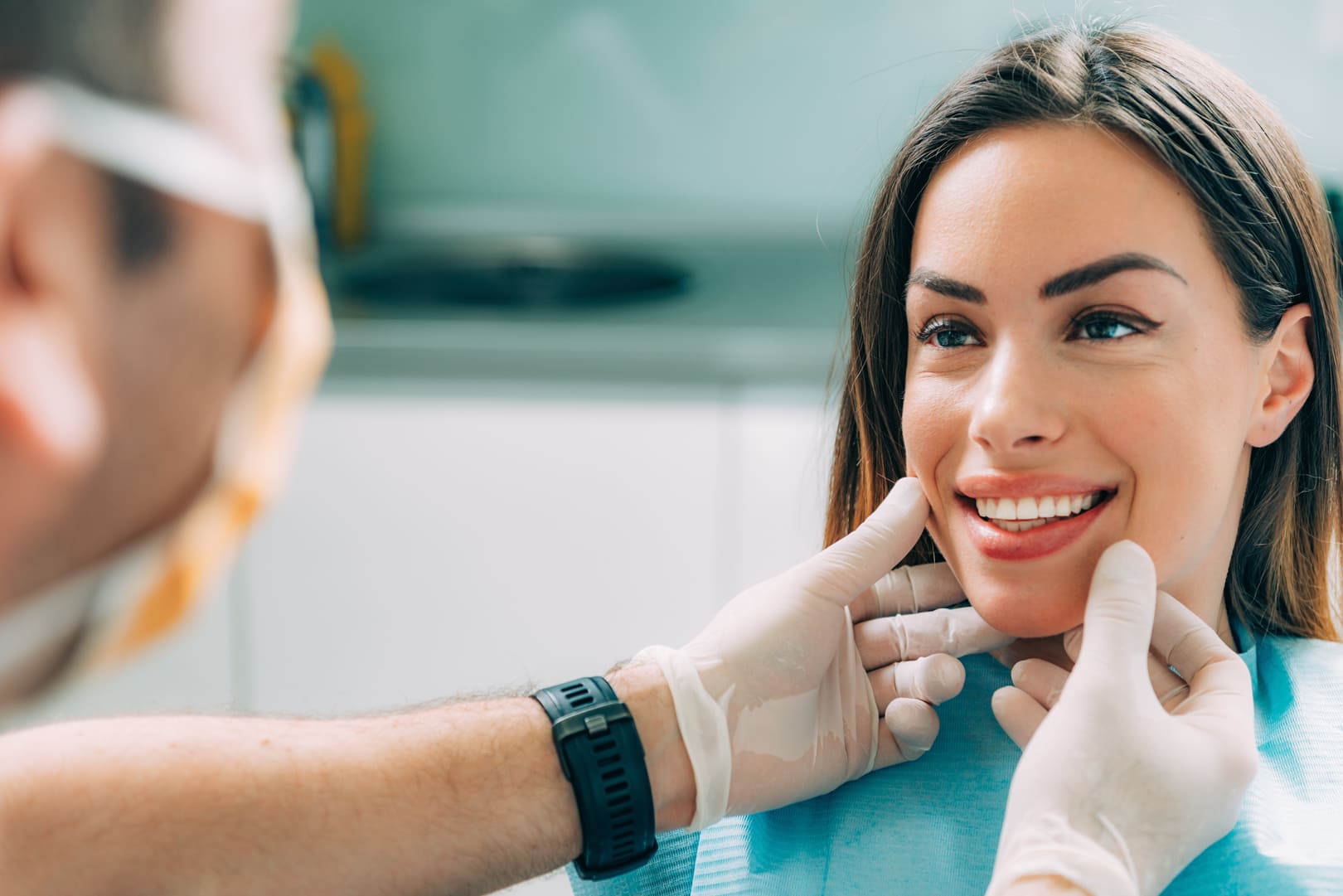
Choosing a dentist sounds simple until a family starts juggling real life. One child needs a cleaning after school, another has an orthodontic consultation, one parent is overdue for a crown check, and the other has been ignoring a sensitive molar for months. Before long, dental care turns into a patchwork of offices, appointment books, insurance forms, and repeated health histories.
That is where having one trusted provider for the household can make a noticeable difference. A skilled General Dentist Aurora families rely on often does much more than clean teeth and fill cavities. The right practice becomes a long-term partner in prevention, early detection, comfort, and continuity. For many households, that relationship makes dental care more consistent and far less stressful.
This is not about claiming one office is perfect for every person or every case. Some patients will still need specialists, and there are times when age, medical complexity, or specific treatment goals call for a different setup. Still, in day-to-day practice, I have seen how much easier oral health becomes when a family can build care around one familiar dental home.
Convenience is only the beginning
Most people first think about scheduling when they consider a family dentist. That makes sense. Time is usually the tightest resource in a household. When one office can see multiple family members, sometimes on the same day or back-to-back, the practical savings are immediate. Fewer drives across town. Fewer forms to complete. Fewer phone numbers to keep track of. Fewer calendars to coordinate.
But convenience is only the surface benefit. What matters more is what convenience leads to. When care is easier to access, people are more likely to keep regular appointments. That means small issues are caught when they are still small. Plaque buildup gets handled before it turns into gum inflammation. A tiny cavity is treated before it becomes a root canal. A teenager with clenching habits is identified before years of wear flatten the biting edges of the front teeth.
In busy families, missed prevention is rarely about neglect. It is usually about friction. One office removes friction. That matters more than many people realize.
A dentist who knows the family often sees patterns sooner
A general dentist treating multiple generations in one family gains useful context over time. Oral health is personal, but it is not random. Families often share habits, anatomical traits, risk factors, and even anxieties around care. A dentist who sees the whole picture can notice trends that might be missed when each person goes to a separate provider.
For example, if both parents have a strong history of gum disease, the dentist may watch adolescent children more carefully for early signs of inflammation and coach them sooner on flossing technique and home care. If several family members have crowded lower front teeth that trap plaque, the dentist may recommend earlier monitoring for younger siblings. If there is a pattern of enamel wear from grinding, that is useful information for anyone in the household waking up with headaches or jaw tension.
This type of familiarity does not replace formal diagnosis. It sharpens attention. Good dentistry often comes down to noticing what changes, what repeats, and what deserves a closer look. A provider who knows the family can do that with more accuracy and confidence.
Children benefit from seeing dental care as normal
One of the most overlooked advantages of a shared dental home is the effect it has on children. Kids pay attention to what adults do, not just what adults say. When they see their parents visiting the same dentist, asking questions, coming in for routine cleanings, and treating oral health as a regular part of life, dentistry feels less mysterious and less threatening.
That familiarity matters in the chair. A child entering an office that already knows their name, recognizes their parents, and has cared for siblings often settles in faster. The environment feels known. The staff feels less like strangers. That comfort can shape a child’s attitude toward dental care for years.
I have seen children who were initially nervous become much more relaxed simply because an older sibling had a positive visit first. I have also seen the opposite in fragmented care, where each child sees a different provider in a different setting and no one experience helps support the next. Children thrive on predictability. A family-centered dental office creates that.
There is also a practical side. When a dentist follows a child over many years, growth and development are easier to monitor in context. Eruption patterns, bite changes, oral habits like thumb sucking, and hygiene progress become part of a visible timeline instead of isolated snapshots.
Adults stop falling through the cracks
Parents are usually good at making appointments for children. They are often much less disciplined about making appointments for themselves. It is common to hear a mother or father say they brought the kids in twice this year but have not had their own exam in three or four years. This is one of the quiet ways adult dental problems become expensive.
A family practice often helps prevent that drift. When everyone is connected to the same office, adults are more likely to book their own visits while arranging care for their children. Staff may suggest same-day or adjacent scheduling, and that small nudge can be the difference between staying current and putting off treatment another six months.
That matters because adults tend to carry the heavier restorative burden. Old fillings break down. Gum recession exposes sensitive root surfaces. Night grinding causes fractures. A cracked tooth does not usually announce itself politely. It often appears in the middle of a workweek when the schedule is already packed. Patients who maintain an ongoing relationship with one dental office typically get help faster and with less confusion because the team already knows their history, x-rays, and treatment priorities.
Continuity improves the quality of decision-making
Dental decisions are rarely made from a single appointment alone. They develop over time. A tooth with a small fracture may only need monitoring at first. Gum pockets may improve with better home care and more frequent cleanings, or they may continue to deepen and require more intervention. A worn filling may hold another year, or it may need replacement sooner if symptoms change.
This is where continuity becomes valuable. When the same dentist follows a patient over multiple visits, treatment recommendations usually become more precise. The provider is not guessing based on one x-ray and a brief conversation. They are comparing what they see now to what they saw before.
Patients often underestimate how important this is. Dentistry is full of judgment calls. Two teeth can look similar on paper and require different recommendations because one has been stable for five years and the other General Dentist Aurora has changed noticeably in twelve months. A long-term dentist can explain those distinctions clearly, which helps families make informed choices rather than reactive ones.
Continuity also reduces duplicate work. When records, images, and prior notes all live in one place, there is less need to repeat diagnostics unnecessarily. That saves time, money, and frustration.
Trust matters, especially when treatment is not optional
Routine cleanings are easy to postpone. So are minor symptoms. But once pain enters the picture, patients want clarity and confidence quickly. If a child chips a front tooth during a weekend game or a parent wakes up with swelling near a back molar, it helps enormously to call an office that already knows the family.
Trust does not mean blind agreement. It means the relationship is established enough that patients can ask real questions and feel comfortable with the answers. That is especially important when treatment carries a larger financial or emotional weight, such as crowns, extractions, root canal therapy, or cosmetic work.
Families who have seen the same general dentist over time often arrive at these moments with less anxiety. They know how the office communicates. They know whether the dentist tends to be conservative or more proactive. They know how follow-up works. That familiarity lowers stress during the very situations when stress tends to run highest.
Trust also helps with the hard conversations. Sometimes a child’s brushing is not where it should be. Sometimes a teenager’s soda habit is damaging enamel. Sometimes an adult’s gum disease reflects years of irregular care. Patients hear these messages better when they come from a provider who has built rapport, rather than a stranger delivering criticism in a first appointment.
One office often means stronger preventive care
The best family dental relationships are built on prevention, not repair. This is another area where a General Dentist Aurora residents choose for the whole household can provide a clear advantage.
Prevention works best when advice is not generic. It should fit the patient’s age, habits, diet, dexterity, and risk level. A six-year-old with deep molar grooves may need sealants and brushing coaching. A college student with frequent sports drinks may need a serious talk about enamel erosion. A grandparent with dry mouth from medication may need a different rinse, different toothpaste, and more frequent monitoring for root decay.
When one dentist sees all of these patients under one roof, prevention becomes more tailored and more realistic. The office can spot where family routines are helping and where they are hurting. Maybe the children are brushing with supervision, but the adults are snacking late and grinding at night. Maybe the household uses whitening products regularly but lacks good interdental cleaning habits. These are ordinary patterns, not rare exceptions.
A good family dentist does not just identify risk. They translate it into manageable habits. That practical coaching is often the difference between a recommendation patients hear and one they actually follow.
Insurance, records, and communication become easier to manage
No one chooses a dental office because they enjoy administrative simplicity, but people definitely notice when it is missing. Shared care through one practice can reduce a lot of low-level friction that drains families over time.
Here are some of the practical advantages families often notice:
- one set of contact details and scheduling systems to manage
- a single office handling insurance questions for multiple family members
- easier access to consolidated records, x-rays, and treatment histories
- more predictable billing communication and follow-up
- less chance of inconsistent advice between different providers
None of these points is glamorous. All of them matter. Administrative clarity supports clinical consistency. When parents are not sorting through multiple offices and repeating the same information over and over, they have more mental space to focus on the care itself.
A familiar office can reduce dental anxiety
Dental anxiety is common, and it does not always look dramatic. Sometimes it shows up as white-knuckle fear. More often, it looks like cancellation, avoidance, procrastination, or a tendency to minimize symptoms until they become urgent.
A familiar environment helps. When patients know the receptionist, recognize the hygienist, and understand what a visit usually feels like, uncertainty drops. That alone can ease stress. The effect is especially strong in children, but adults benefit too.
I have seen nervous patients improve simply because the office became predictable. They knew where to park, how check-in worked, which room they would likely be in, and what the dentist sounded like when explaining treatment. Predictability gives anxious patients a sense of control. That can make them more willing to attend regularly and more able to tolerate necessary procedures.
Family offices often become skilled at handling these dynamics because they see them across age groups. The team learns who needs extra explanation, who prefers a quiet approach, who does better with shorter appointments, and who wants every detail upfront. Those small accommodations add up.
The dentist becomes a long-term health observer, not just a repair technician
Good general dentistry is broader than many people think. Yes, it includes fillings, cleanings, crowns, and preventive care. It also involves watching for oral cancer warning signs, signs of grinding, bite changes, tissue irritation, dry mouth, medication effects, and the oral signs of broader health issues.
When the same dentist sees a patient year after year, these observations gain depth. They can tell what is normal for that person and what is new. A white patch that was not there six months ago, a sudden increase in recession, a dramatic shift in wear patterns, or chronic inflammation in one area all mean more when a provider has longitudinal knowledge.
This is one reason continuity matters so much in adults and seniors. Age, medication use, restorations, and medical history all complicate the oral picture over time. A dentist who knows the patient can often sort out changes faster and decide when to monitor, when to intervene, and when to refer.
For families, that long view is reassuring. It means care is not being delivered as a series of disconnected transactions. It is being guided by memory, records, and professional judgment built over years.
There are times when one-dentist care has limits
It is worth being realistic. Having one dentist for the whole family is not always the best fit in every situation. Some families have very young children who do better with a pediatric specialist. Some adults need advanced periodontal care, oral surgery, or complex orthodontics that goes beyond what a general dentist provides. Some patients with trauma histories or severe anxiety may prefer a highly specialized environment.
That does not diminish the value of a strong general dentist. In many cases, the general dentist remains the central coordinator even when specialists are involved. They help with referrals, share records, interpret recommendations, and continue routine care before and after specialty treatment.
The key is not whether one office does literally everything. The key is whether one trusted provider serves as the home base for care. For most families, that model works very well.
A thoughtful dental office will also be honest about scope. If a dentist hesitates to refer when a case clearly needs specialized attention, that is a warning sign. The best family-centered practices know their strengths and use specialist partnerships appropriately.
What to look for in a family dentist
Choosing a dentist for the whole household deserves a little more care than choosing the closest name on a map. Fit matters. Clinical quality matters. So does communication style.
A family looking for a General Dentist Aurora practice should pay attention to a few practical details:
- whether the office is comfortable treating different age groups
- how clearly the dentist explains options, risks, and costs
- whether scheduling is flexible enough for school and work realities
- how the team handles anxious patients or first-time visitors
- whether the practice emphasizes prevention rather than only procedures
These points tend to reveal more than décor or marketing language. A polished website is fine. A well-run office is better. Families usually know within one or two visits whether the atmosphere feels organized, respectful, and attentive.
Why families stay with one dentist for years
The strongest argument for one family dentist is not efficiency, though that helps. It is the accumulation of knowledge and trust that happens over time. The office learns your names, your schedule constraints, your health history, your preferences, and your tendencies. The dentist notices changes earlier because they know your baseline. Children grow up with less fear. Adults are more likely to keep up with care. Emergencies feel less chaotic.
And perhaps most importantly, oral health becomes part of normal family maintenance rather than a recurring source of disruption. That shift is easy to underestimate until you live with it. A household that has a stable dental home spends less time scrambling and more time staying ahead of problems.
That is what good general dentistry should do. It should simplify care, improve consistency, and make better outcomes more likely without adding unnecessary complexity. For many households, having one trusted dentist for the whole family is one of the clearest ways to get there.
Aspenwood Dental Associates and Colorado Dental Implant Center
Address: 2900 S Peoria St Ste C, Aurora, CO 80014
Phone number: +13037314037
FAQ About General Dentist Aurora
What is meant by general dentistry?
General dentistry refers to the primary, foundational tier of oral healthcare, focused on the prevention, diagnosis, and treatment of conditions affecting the teeth, gums, and jaw. General dentists serve as a patient's main, long-term dental care provider—much like a primary care physician.
What is general dentistry and orthodontics?
General dentistry and orthodontics are two specialized branches of dental care. General dentistry serves as your primary care for overall oral health, focusing on routine cleanings, fillings, and disease prevention. Orthodontics is a specialized field focused entirely on diagnosing and correcting misaligned teeth and jaw structures using braces or clear aligners.
What are type 3 dental services?
Type 3 dental services typically include major restorative treatments that repair or replace damaged or missing teeth. These services are more complex and costly than preventive or basic dental care. Common examples of type 3 dental services include: Dental crowns.