General Dentist Aurora: Common Dental Problems and How to Avoid Them
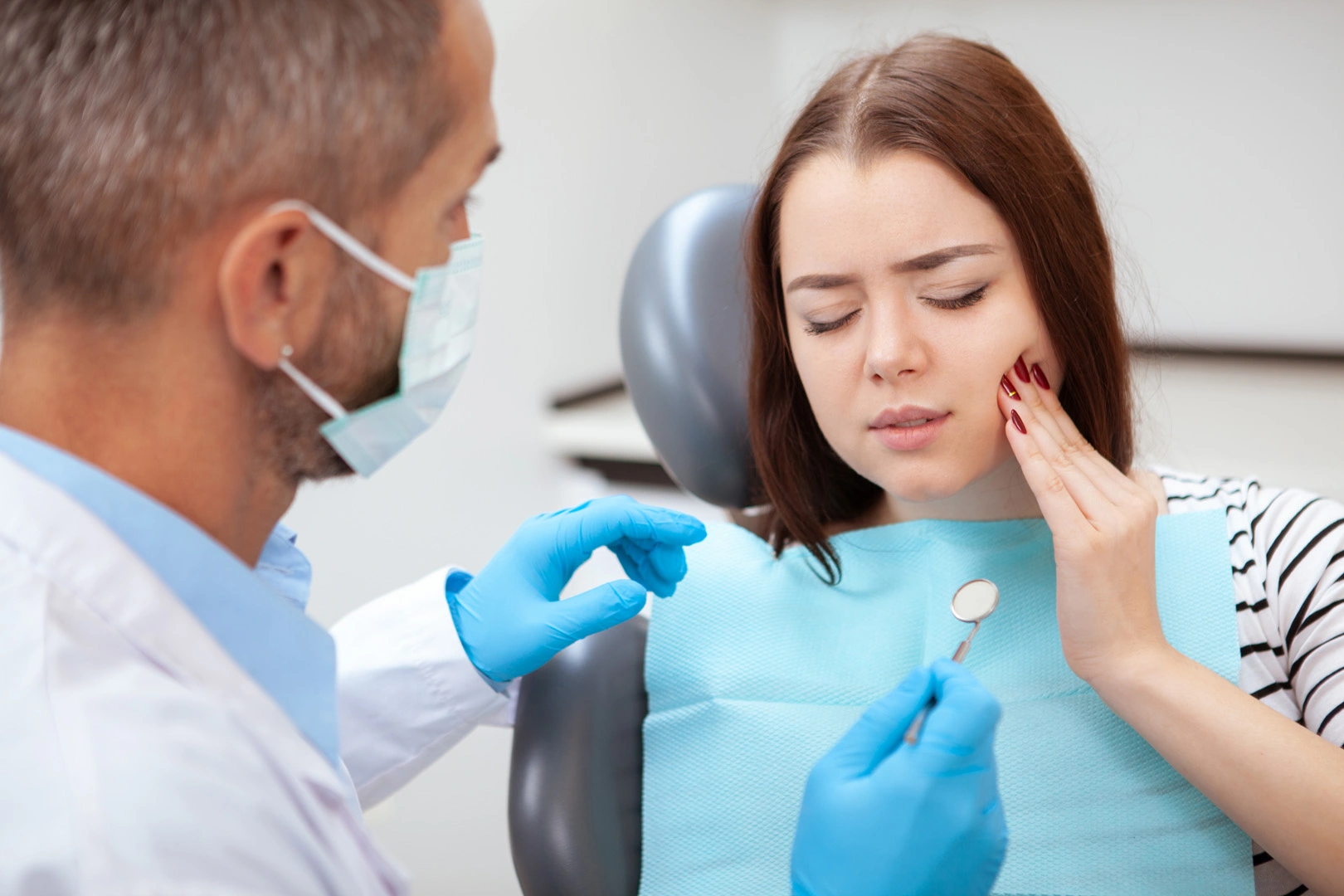


A healthy mouth rarely stays healthy by accident. Most dental problems build slowly, often without much pain at the start. By the time a tooth aches, a filling cracks, or gums bleed every morning, the real issue has usually been developing for months or even years. That is one reason routine care matters so much. A good general dentist does not just fix damage, they help patients spot patterns early and change the conditions that caused the problem in the first place.
For families looking for a General Dentist Aurora residents can rely on, the most useful advice is often the least dramatic. Brush well. Clean between teeth. Keep regular exams. Pay attention to dry mouth, jaw tension, food habits, and small warning signs that seem easy to ignore. Dentistry is full of situations where a minor, inexpensive issue becomes a more complex one simply because it was left alone too long.
The good news is that many of the most common dental problems are preventable, or at least easier to manage when caught early. The details matter, though. Prevention is not just about trying harder. It is about understanding what tends to go wrong, why it happens, and what practical habits actually make a difference.
Cavities rarely start with pain
Tooth decay remains one of the most common issues seen in general practice. Patients are often surprised to learn that a cavity can form without obvious symptoms. Early decay may look like a chalky white spot or a small dark area, and it may not hurt at all. Pain usually shows up later, when decay reaches deeper layers of the tooth.
Cavities happen when plaque bacteria feed on sugars and starches, then produce acids that weaken enamel. This is not limited to candy. Crackers, dried fruit, sweetened coffee, sports drinks, and frequent snacking can all contribute. One pattern that causes trouble is sipping or grazing throughout the day. Teeth can often handle a meal better than a constant trickle of sugar and acid, because the mouth has time to recover between exposures.
Prevention depends on several small habits working together. Brushing twice daily with fluoride toothpaste helps strengthen enamel and remove plaque. Flossing or using another interdental cleaner matters because many cavities start between teeth, where a toothbrush cannot reach well. Drinking water after meals helps dilute acids and wash away residue. Regular checkups allow a dentist to spot early decay before it becomes a larger restoration.
There is also a practical point many people miss. Technique matters more than force. Scrubbing hard does not clean better. It tends to miss the gumline and may wear down the tooth surface over time. Two minutes of careful brushing with a soft-bristled brush is usually far more effective than a rushed, aggressive thirty seconds.
Gum disease often looks harmless at first
Bleeding gums are common, but they are not normal. In everyday practice, this is one of the clearest signs that General Dentist Aurora patients underestimate. People say, “My gums have always been like that,” or they assume the bleeding means they should avoid flossing. Usually the opposite is true. Gums bleed because inflammation is already present.
Gingivitis is the early stage of gum disease. It can cause redness, tenderness, swelling, and bleeding during brushing or flossing. At this stage, the damage is typically reversible with professional cleaning and improved home care. If it progresses into periodontitis, the stakes rise. Bone and supporting tissues can be lost, and teeth may loosen over time.
Gum disease is not only about cleanliness. Smoking, diabetes, certain medications, hormonal changes, dry mouth, genetics, and chronic stress can all raise the risk. That is why two patients with similar brushing habits may have very different gum health. A dentist or hygienist looks at the full picture, not just visible plaque.
One of the more sobering realities is that advanced gum disease is often not painful in the way people expect. A patient may come in saying, “Nothing hurts, but my teeth seem longer,” which usually means the gums have receded. Others notice persistent bad breath, spaces opening between teeth, or a change in the way their bite fits together.
Avoiding gum disease comes down to consistency and early intervention. Regular hygiene visits remove hardened tartar that cannot be brushed off at home. Daily cleaning between teeth disrupts the bacterial film before it triggers deeper inflammation. If smoking is part of the picture, reducing or quitting can improve gum prognosis dramatically. The same goes for managing blood sugar in diabetic patients.
Tooth sensitivity has more than one cause
Sensitivity can be sharp, brief, and easy to dismiss, especially when it only happens with cold water or ice cream. But sensitive teeth are worth investigating because they can point to very different issues. Sometimes the problem is simple, such as gum recession exposing the root surface. Sometimes it is an early cavity, a cracked tooth, worn enamel, or clenching-related stress.
Patients often describe sensitivity in broad terms, but the timing tells a dentist a lot. A quick zing with cold may suggest exposed dentin. Lingering pain after hot or cold can indicate deeper nerve irritation. Sensitivity when biting may hint at a crack or a high spot in the bite. These differences matter because the treatment depends on the source.
Whitening products are another factor. Used properly, they can be safe and effective, but overuse can make already sensitive teeth much harder to tolerate. The same is true for overly abrasive toothpaste or brushing too hard with a stiff brush. In trying to solve one cosmetic concern, patients sometimes create a new comfort problem.
Prevention starts with identifying the cause instead of guessing. Desensitizing toothpaste can help, but it is not a cure for every type of sensitivity. If enamel is being worn away by acid, clenching, or aggressive brushing, that pattern has to change. If the bite is uneven or a tooth is cracked, delaying care usually increases the chance that the problem becomes more expensive to fix.
Teeth can crack in ways you do not notice right away
A cracked tooth is one of the trickier problems in general dentistry because symptoms can come and go. A patient may feel a sharp jolt while chewing nuts, crusty bread, or popcorn kernels, then feel nothing for days. Another may notice sensitivity only when releasing pressure after biting. Cracks can be tiny, hard to see, and still quite significant.
Teeth crack for many reasons. Age plays a role, since enamel becomes more vulnerable over time. Large old fillings can weaken the remaining tooth structure. Clenching and grinding place repeated stress on teeth, especially molars. Chewing ice, biting fingernails, or opening packages with teeth can turn a small weakness into a larger fracture.
This is an area where prevention really saves trouble. Custom night guards can protect teeth for patients who grind in their sleep. Replacing old, failing restorations before they undermine the tooth can prevent bigger breaks. Avoiding non-food chewing habits sounds obvious, yet dentists see damage from them every week.
There is also a judgment call in treatment. Not every crack leads to the same outcome. Some can be stabilized with a crown. Others extend too deeply and have a poorer prognosis. That is why an occasional biting pain is not something to “wait out” for months. The earlier a cracked tooth is assessed, the General Dentist Aurora more options tend to be available.
Grinding and clenching wear the mouth down quietly
Many people do not realize they grind or clench until someone points out the signs. Those signs may include flattened tooth edges, tiny chips, jaw soreness, temple headaches, neck tension, or teeth that feel tender in the morning. Stress is a major driver, but not the only one. Sleep issues, bite patterns, and certain medications can contribute as well.
Bruxism, the clinical term for grinding and clenching, does not always announce itself dramatically. It often appears as slow wear. A patient in their thirties may already show shortened front teeth or thinning enamel at the biting edges. Another may cycle through broken fillings with no obvious decay present. In many of these cases, the underlying force is the real culprit.
A night guard does not stop the habit entirely, but it can reduce damage by absorbing pressure and distributing forces more evenly. It is usually more effective and comfortable when it is custom-made. Store-bought guards may help in some cases, but poor fit can make compliance difficult, and occasionally they worsen jaw discomfort.
Stress management also belongs in the conversation, even if it sounds outside the dental chair. Patients going through work pressure, poor sleep, or major life changes often show a spike in clenching-related symptoms. Dentistry cannot remove those pressures, but it can identify the wear patterns early and help protect the teeth before they fracture.
Dry mouth changes the whole risk picture
Saliva does much more than keep the mouth comfortable. It helps neutralize acids, wash away food particles, and protect teeth from decay. When saliva flow drops, cavity risk often rises fast, especially around the gumline and the edges of existing fillings.
Dry mouth is common in adults, particularly those taking multiple medications. Antidepressants, antihistamines, blood pressure drugs, and many others can reduce salivary flow. Mouth breathing, dehydration, certain medical conditions, and radiation treatment to the head and neck can also be factors.
This problem is easy to underestimate because it may feel like a nuisance rather than a warning sign. But in practice, dry mouth can change a low-risk mouth into a high-risk one within a year or two. I have seen patients who previously had very few fillings begin developing several new areas of decay once medication-related dryness set in.
The solution is usually a mix of strategies rather than a single fix. Sipping water regularly can help with comfort, though it does not fully replace saliva. Sugar-free gum or lozenges may stimulate flow if appropriate. Fluoride products become more important. Alcohol-based mouth rinses often make things worse. For some patients, especially those with significant dryness, a dentist may recommend prescription-strength fluoride or more frequent recalls.
Bad breath is usually a sign, not the main problem
Persistent bad breath can be socially stressful, but it is often rooted in an oral condition that needs attention. Gum disease is a common cause. So are heavy plaque buildup, tongue coating, cavities that trap food, broken restorations, and dry mouth. Sometimes the source is not dental, but the mouth is usually the first place to investigate.
The tongue is often overlooked. Its textured surface can hold bacteria and debris, especially toward the back. A simple tongue cleaner can make a measurable difference for some patients. That said, tongue cleaning alone will not solve halitosis caused by periodontal disease or untreated decay.
If someone has tried mints, mouthwash, and better brushing but the odor keeps returning, it is worth getting a proper exam. Masking the smell is not the same as treating the cause. Breath issues can also be a useful early warning that the mouth is not as healthy as it seems.
Children and teens face different patterns than adults
A family-focused General Dentist Aurora parents trust sees a wide range of age-related issues. In children, cavities often develop in grooves of molars or between teeth, especially when brushing is inconsistent and snacks are frequent. Juice, gummy vitamins, and sticky processed foods are regular contributors. Even “healthy” snack patterns can be rough on teeth if there is constant grazing.
Teens bring a different set of challenges. Sports injuries become more relevant. Orthodontic appliances create extra plaque-retentive areas. Energy drinks, sweetened coffee drinks, and rushed brushing can undo good intentions quickly. Some teens also start to show wear from stress-related clenching, especially during exam periods.
Older adults may deal more with dry mouth, gum recession, worn restorations, and root decay. The roots of teeth are softer than enamel, so once they are exposed, cavities can spread faster. For this group, the right fluoride strategy and regular monitoring are especially valuable.
Prevention has to match the stage of life. A six-year-old, a stressed university student, and a retiree on multiple medications do not need the same advice, even if all three are trying to avoid cavities.
The habits that make the biggest difference
Dental health is shaped less by occasional heroic efforts and more by ordinary routines repeated for years. Patients sometimes look for a perfect product, but the basics remain powerful when done well and done consistently.
Here are the habits that tend to matter most:
- Brush twice a day for two full minutes with fluoride toothpaste.
- Clean between teeth daily with floss or another interdental aid that you will actually use.
- Limit frequent snacking and sugary or acidic sipping between meals.
- Keep regular dental exams and cleanings based on your risk level, not just your calendar.
- Address small symptoms early, especially bleeding gums, sensitivity, and pain when biting.
None of these steps is complicated on its own. The challenge is that they work best together. Someone who brushes beautifully but snacks on dried fruit every hour may still get cavities. Another person with a decent diet but heavy tartar buildup between the lower front teeth may still develop gum disease. Dentistry is cumulative. The pattern matters more than any single day.
When home care is not enough
One of the hardest conversations in practice is explaining to a conscientious patient that they still need treatment. People understandably feel frustrated when they brush daily and yet hear that they have a cavity or signs of gum recession. But good effort does not always equal ideal technique, and biology varies from person to person.
Tight contacts between teeth, deep grooves in molars, crowded areas, dry mouth, old restorations, and strong clenching forces can all create risk despite decent home care. That does not mean prevention failed. It means prevention needs to be adjusted. Sometimes the answer is a different flossing method, a prescription fluoride paste, a night guard, or more frequent hygiene visits. Good dentistry is rarely one-size-fits-all.
This is also where regular exams prove their value. A tiny cavity caught on an X-ray may need a straightforward filling. The same cavity a year later might involve the nerve and require root canal treatment and a crown. A small chip from grinding might be polished and monitored. Left under constant pressure, it might split the tooth. Early care is not just about comfort, it is about preserving options.
What to watch for between appointments
Many serious dental problems begin as minor changes. Paying attention to those early shifts can help you seek care before the situation escalates.
A few warning signs deserve prompt attention:
- gums that bleed often
- sensitivity that lasts more than a few days
- pain when chewing or releasing a bite
- persistent dry mouth or bad breath
- a tooth that feels rough, cracked, or suddenly different
None of these symptoms guarantees a major problem, but each is worth checking. Dental issues are often easier to treat when they are fresh. Waiting for severe pain is not a reliable strategy because some of the most damaging conditions, especially gum disease and slow cracks, do not become dramatically painful until they are advanced.
Choosing practical prevention over wishful thinking
People often ask what the single best thing is they can do for their teeth. There is no honest one-line answer, but there is a pattern that holds up over time. See problems early, reduce the daily conditions that feed them, and protect the teeth from unnecessary stress.
That may mean being more disciplined about flossing after a filling between the molars. It may mean finally replacing the sports drink habit with water. It may mean wearing the night guard that has been sitting in a drawer for six months. Small changes are not glamorous, but they are usually the ones that keep teeth stable year after year.
A skilled General Dentist Aurora patients trust will always do more than repair damage. The real value is in helping people understand why a problem started, what risks are unique to their mouth, and how to make changes that are realistic enough to last. Dental health is not built in one visit. It is built in routines, in early decisions, and in not ignoring the small signs that ask for attention long before pain forces the issue.
Aspenwood Dental Associates and Colorado Dental Implant Center
Address: 2900 S Peoria St Ste C, Aurora, CO 80014
Phone number: +13037314037
FAQ About General Dentist Aurora
What is meant by general dentistry?
General dentistry refers to the primary, foundational tier of oral healthcare, focused on the prevention, diagnosis, and treatment of conditions affecting the teeth, gums, and jaw. General dentists serve as a patient's main, long-term dental care provider—much like a primary care physician.
What is general dentistry and orthodontics?
General dentistry and orthodontics are two specialized branches of dental care. General dentistry serves as your primary care for overall oral health, focusing on routine cleanings, fillings, and disease prevention. Orthodontics is a specialized field focused entirely on diagnosing and correcting misaligned teeth and jaw structures using braces or clear aligners.
What are type 3 dental services?
Type 3 dental services typically include major restorative treatments that repair or replace damaged or missing teeth. These services are more complex and costly than preventive or basic dental care. Common examples of type 3 dental services include: Dental crowns.